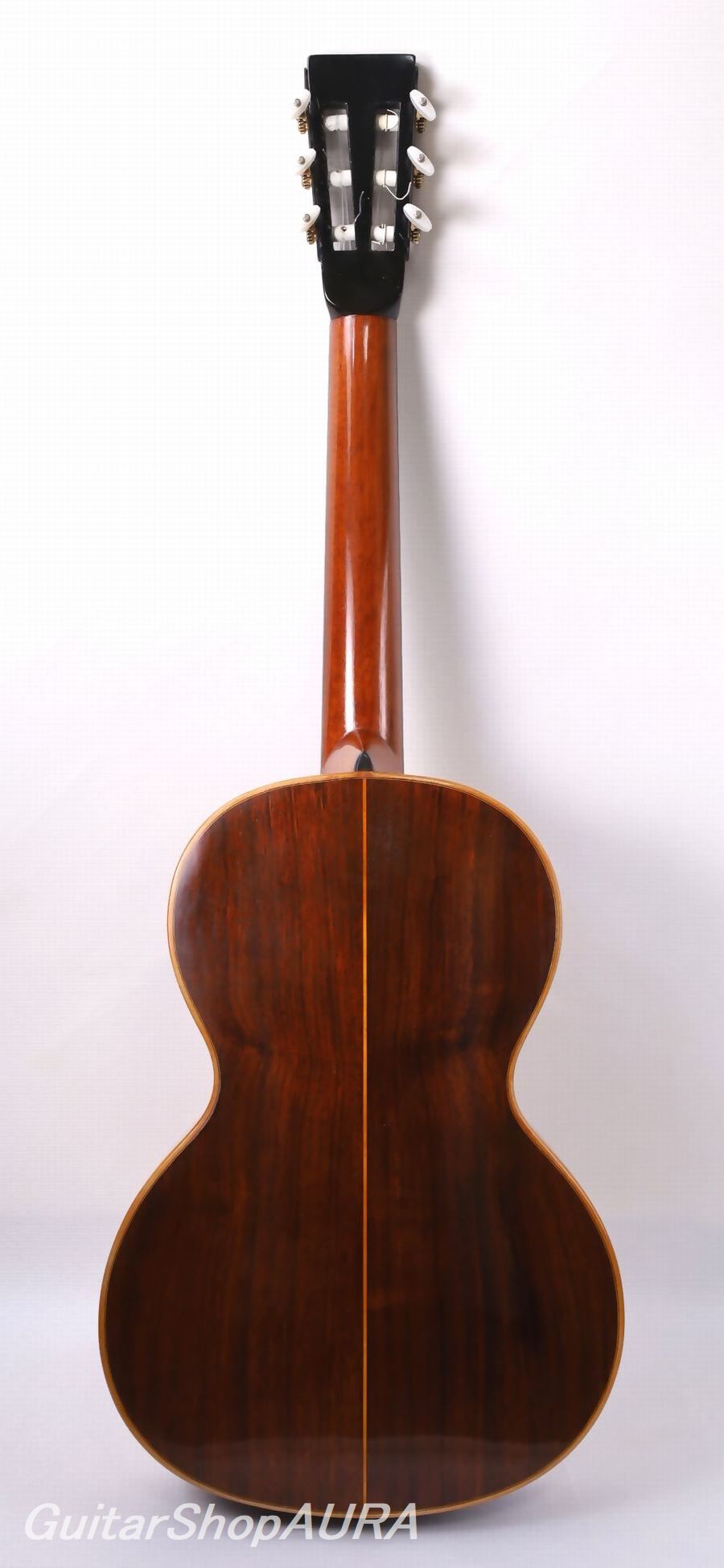
Neck:Mahogany
Fingerboard:Ebony
Finish(Top):Shellac
Finish(Back & Sides):Shellac
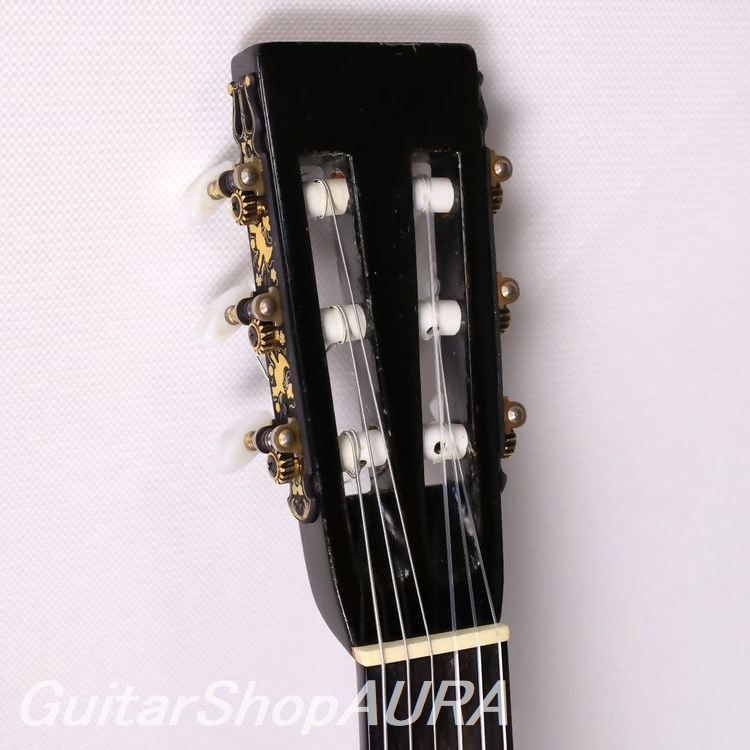
Tuning Machines:FUSTERO
String Height(1st):2.6mm
String Height(6th):3.3mm
【A Rare Voice from Before the Spanish Revolution— Hauser I’s Early Romantic Mastery】
[Luthier]
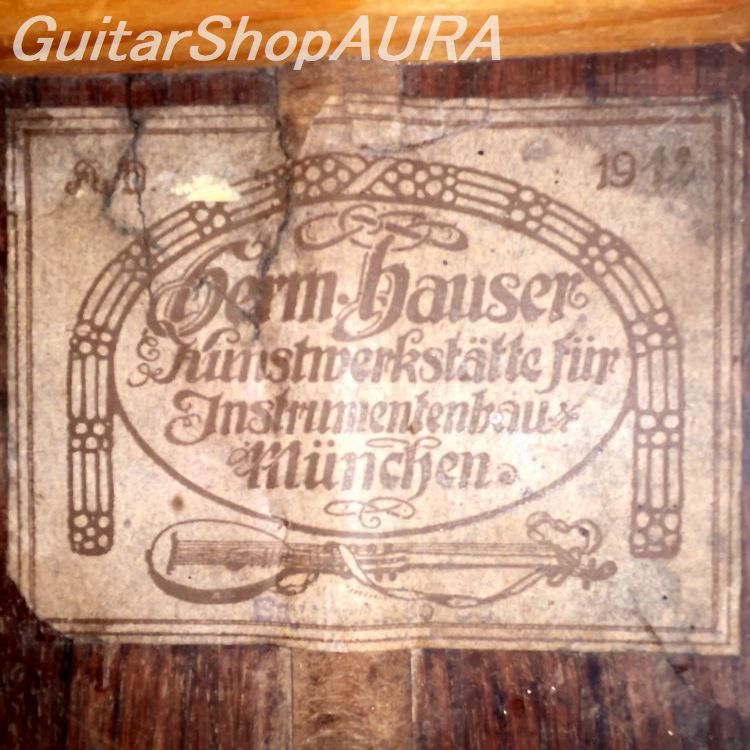
Hermann Hauser I (1882–1952) is regarded as one of the most influential luthiers of the 20th century. Based in Munich, Germany, he established a legacy that would shape the modern classical guitar, most notably through the celebrated “Segovia model,” which remains a global benchmark.
Originally trained under his father Josef Hauser, a renowned zither maker, he began his career building zithers and various plucked instruments. In the early 20th century, Munich was a vibrant center of guitar culture, where Hauser developed a wide range of models, including Viennese and Munich-style guitars.
A pivotal turning point came after his encounters with guitarist Miguel Llobet in 1913 and 1916, when Hauser was introduced to the work of Antonio de Torres. Deeply inspired, he began exploring Spanish-style construction, gradually refining his designs through experimentation. His later collaboration with Andrés Segovia led to the creation of the legendary 1936 instrument, praised as a near-perfect realization of the classical guitar.
The Hauser legacy continued through subsequent generations, and instruments by Hauser I remain among the most highly valued classical guitars in the world, alongside those of Torres and Robert Bouchet.
[Instrument]
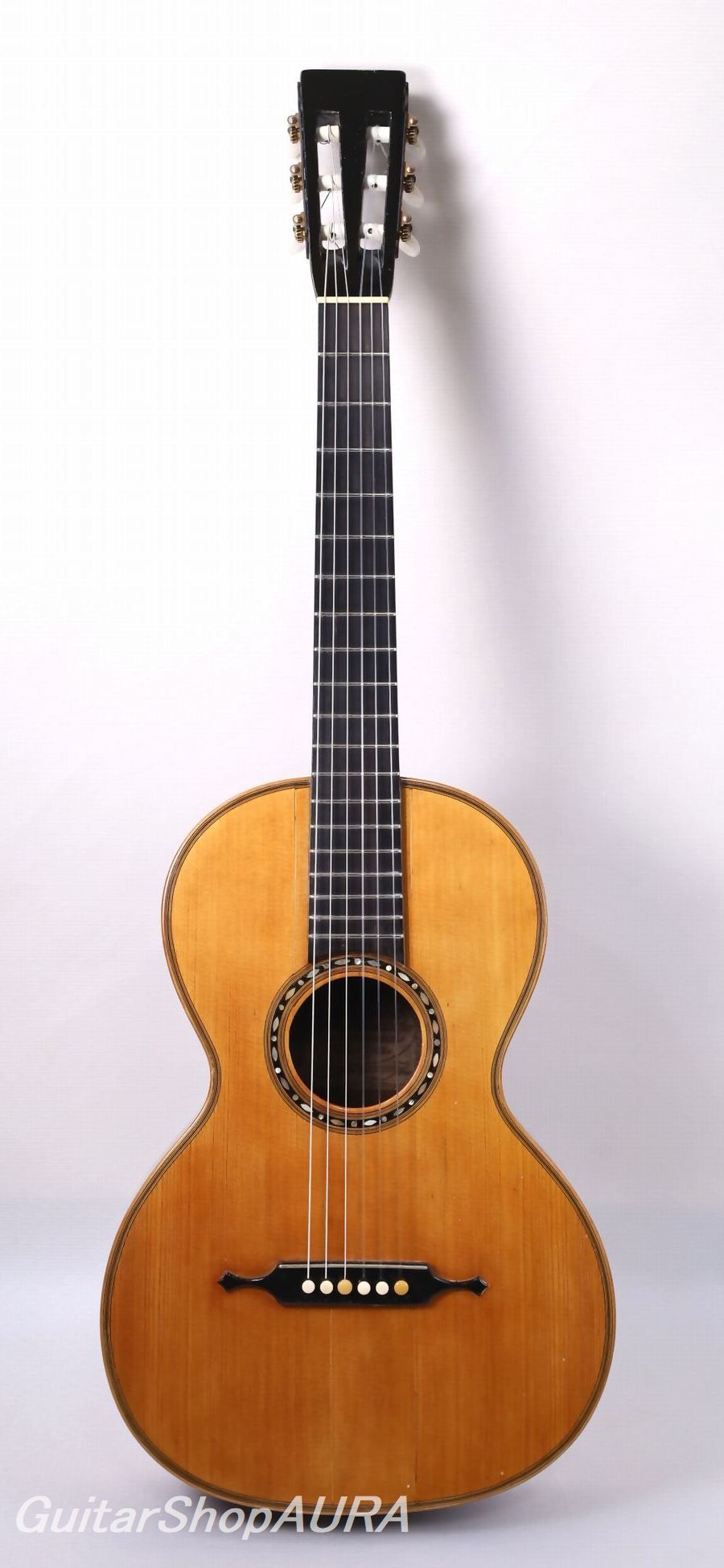
This guitar, built in 1912, represents a rare example from Hauser I’s pre-Spanish period, before his exposure to Torres and the Spanish school. It follows the aesthetics and proportions of a Romantic guitar, with a refined and traditional design rarely seen in his later work.
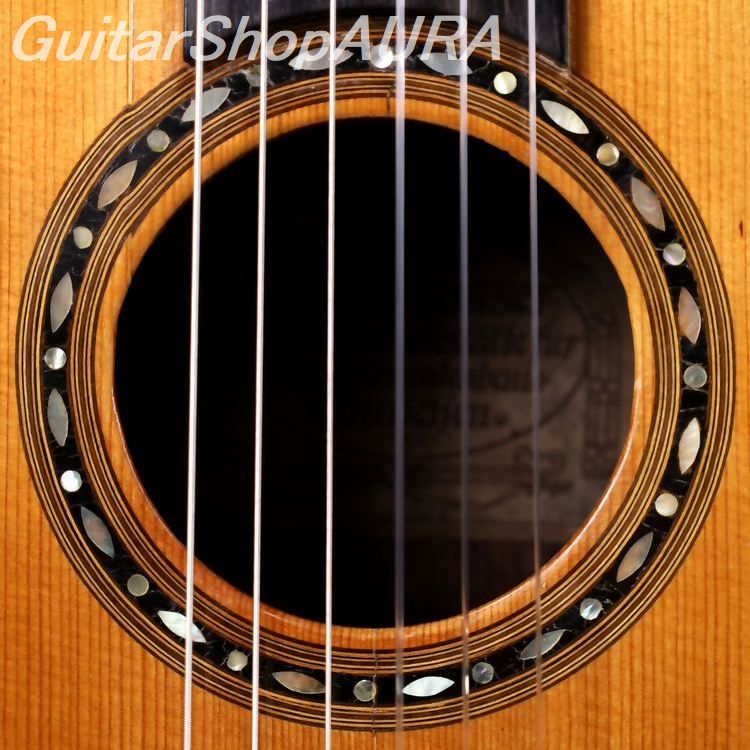
The internal structure features a combination of harmonic bars and fan bracing, though there are indications that the bracing may have been altered after its construction. Despite this, the instrument retains the hallmarks of Hauser’s craftsmanship, including high-quality materials and elegant decorative details.
Tonally, the guitar offers a distinctly Romantic character, with a responsive, intimate resonance and a clear, singing treble. The overall balance favors clarity and subtlety, with a lightly supportive bass rather than overpowering depth. The resonance is set around C#–D, contributing to its bright and focused voice.
The instrument shows signs of age and restoration, including repaired cracks on the top, back, and sides. The neck remains stable, and playability is good, with a comfortable C-shaped profile and slightly radiused fingerboard. The bridge is fitted in a pin style, and the machine heads have been replaced with Spanish-made tuners. Overall condition is structurally sound and fully functional.
〔detail〕
| Instrument | Hermann Hauser I |
| Category | 輸入クラシック オールド |
| Number/Model | 19th-century guitar type |
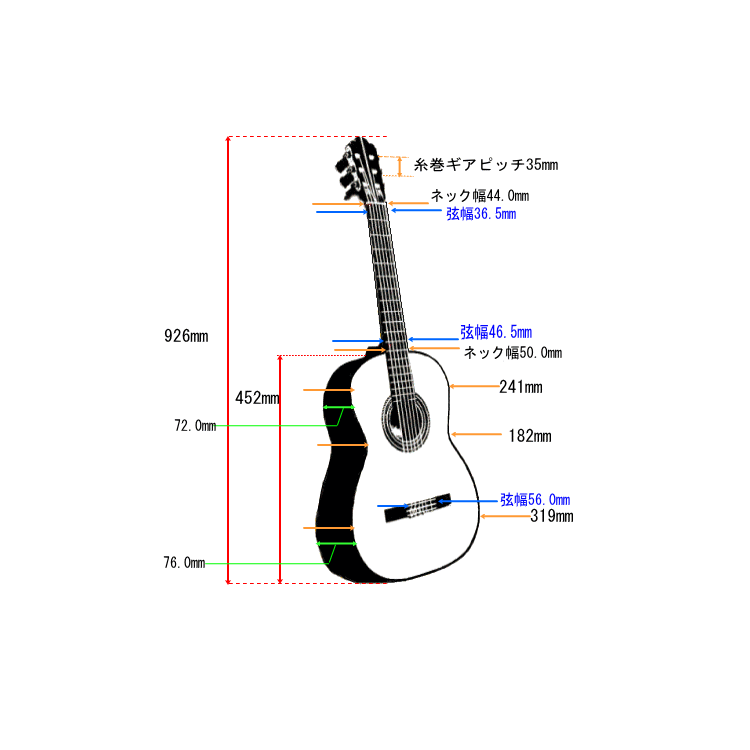
| Scale length | 600mm |
| Country | Germany |
| Year | 1912Year |
| Top | Solid Spruce |
| Side&Back | Solid South American Rosewood |
| Condition※ | 6 |
| List price | 時価 |
| Price (tax included) | お問い合わせ下さい。 |
| option | with Hardcase |
 Map & Access